
Nonwoven fabrics have attracted significant attention across various industries due to their unique properties, including lightweight, breathable properties, and versatility. However, one challenge facing both manufacturers and users is the cold-weather resistance of nonwoven fabrics. As temperatures drop, the performance of nonwovens can be compromised, resulting in reduced durability and functionality. This article will explore effective strategies for enhancing the cold-weather resistance of nonwoven fabrics.
Learn about non-woven paper fabrics
Before delving into methods for improving cold tolerance, it's helpful to first understand what nonwoven paper is. Unlike traditional woven fabrics, nonwoven paper is made by bonding fibers together through mechanical, thermal, or chemical processes. This makes nonwoven paper not only lightweight but also possesses excellent filtration, absorption, and insulation properties. However, these advantages can diminish in cold conditions, making it crucial to implement strategies to enhance its performance.
1. Choose the right raw materials
The first step in improving the cold resistance of nonwoven fabrics is selecting the right raw materials. Synthetic fibers like polypropylene or polyester are generally more resistant to cold than natural fibers like cotton or cellulose. By incorporating a higher proportion of synthetic fibers into the composition of nonwovens, manufacturers can significantly improve their cold resistance. Furthermore, using fibers with low thermal conductivity helps retain warmth and prevent heat loss.
2. Add additives
Another effective way to improve the cold resistance of nonwoven fabrics is by adding additives. Various chemical additives can be mixed into the pulp or applied as a coating to enhance the fabric's properties. For example, adding a hydrophobic agent helps repel moisture, preventing the fabric from getting wet and losing its insulating properties. Similarly, adding thermal insulation additives can create a barrier against low temperatures, making nonwovens more suitable for use in cold environments.
3. Strengthen fabric structure
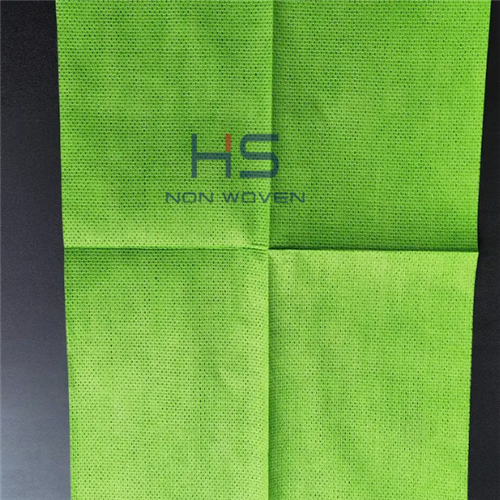
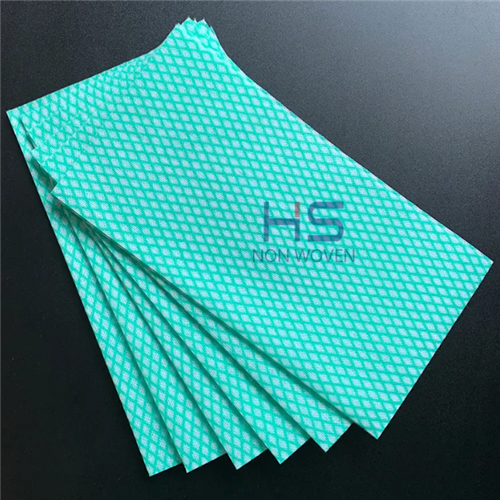
The structure of nonwoven paper fabrics is crucial to their performance in cold conditions. By optimizing the density and thickness of the fabric, manufacturers can improve its thermal insulation. A denser fabric traps more air, thus providing insulation, while a thicker fabric provides additional warmth. Techniques such as needlepunching or thermal bonding can be employed to create a stronger structure, enhancing cold resistance.
4. Testing and quality control
To ensure that nonwoven fabrics meet the required cold-resistance standards, rigorous testing and quality control measures are implemented. This includes thermal conductivity testing, moisture resistance testing, and durability evaluations in cold conditions. By identifying any weaknesses in the fabric, manufacturers can make necessary adjustments to the production process or material selection to improve performance.
5. End-use considerations
Finally, when improving the cold-weather resistance of nonwoven fabrics, the end use must be considered. Different applications may require varying degrees of insulation and durability. For example, a nonwoven used in outdoor apparel may require higher cold-weather and moisture-proofing properties than a nonwoven used in packaging. Understanding the specific requirements of the end use can guide manufacturers in adjusting the fabric's properties accordingly.
in conclusion
Improving the cold-weather resistance of nonwoven fabrics requires a multi-faceted effort, including selecting the right materials, adding additives, reinforcing the fabric structure, and conducting comprehensive testing. By implementing these strategies, manufacturers can produce nonwovens that not only meet the demands of cold environments but also expand their applications across various industries. As the demand for high-performance materials continues to grow, investing in the cold-weather resistance of nonwoven fabrics will undoubtedly bring significant benefits.
Post time: Oct-20-2025